
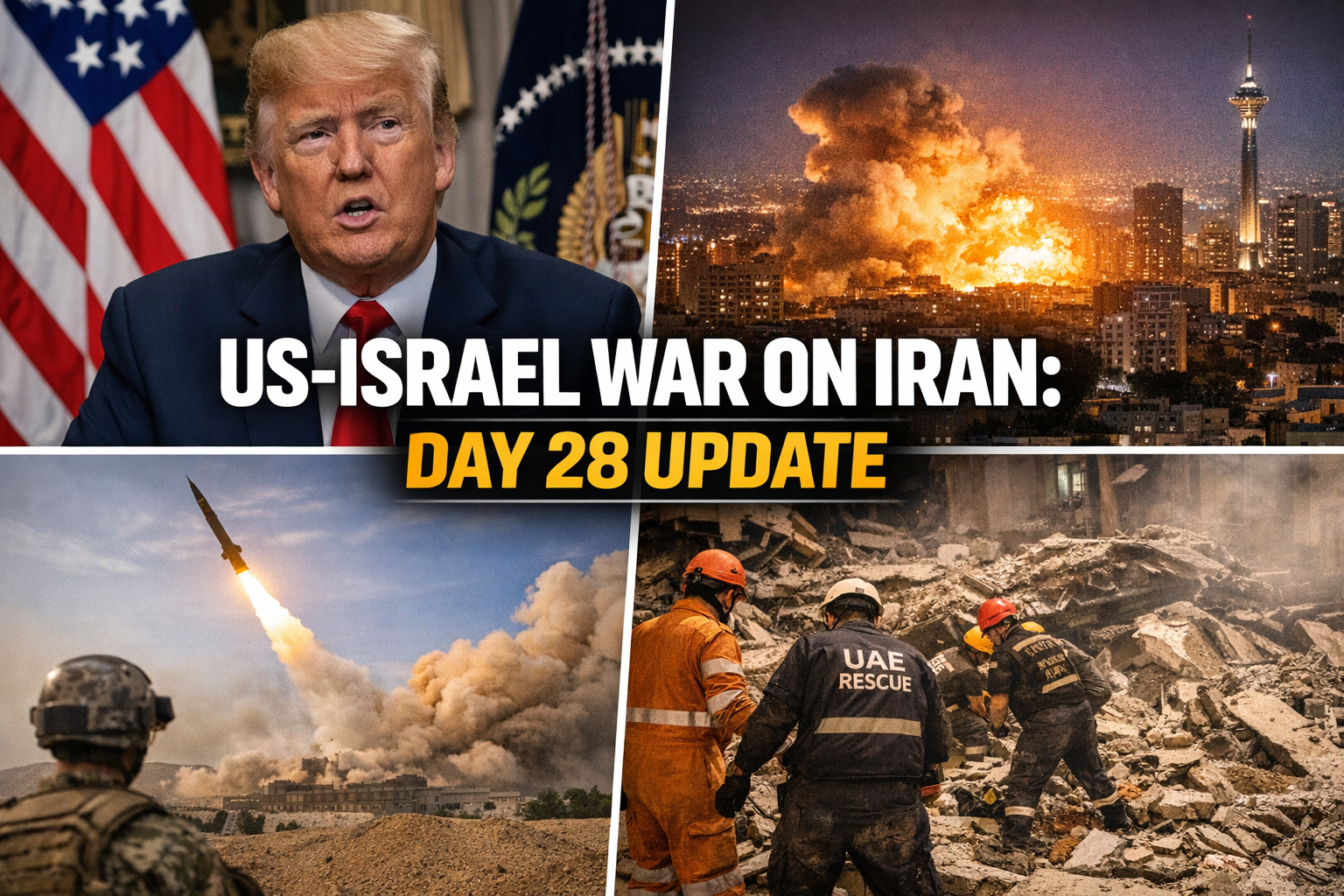
As the US-Israel war on Iran enters its 28th day, the situation remains volatile, with ongoing military strikes, rising casualties, and intensified diplomatic efforts. While US President Donald Trump has delayed key attacks on Iran’s energy infrastructure, the gap between diplomatic claims and ground realities continues to widen.
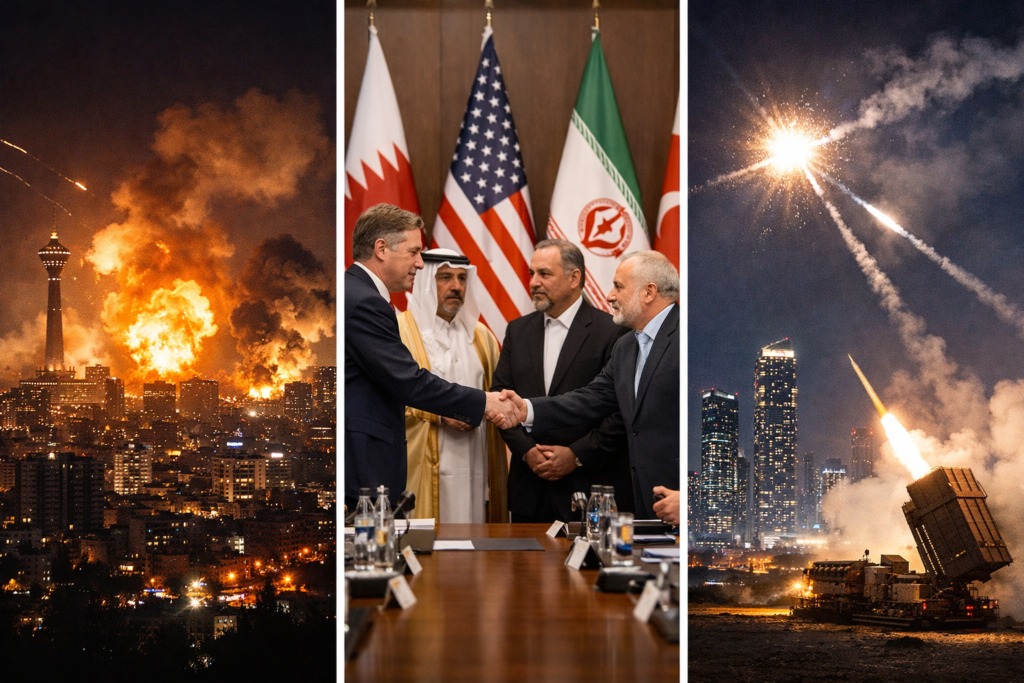
Trump Delays Strikes Amid Fragile Diplomacy
In a significant development, President Trump has postponed planned attacks on Iran’s energy facilities by 10 days, pushing the deadline to April 6. The decision comes amid claims from Washington that peace talks are progressing positively. However, Iranian officials strongly dispute this narrative, calling the US proposal “one-sided and unfair.”
This contrast highlights the fragile nature of ongoing negotiations. While the US signals optimism, Tehran appears skeptical, raising doubts about whether diplomacy can genuinely halt the escalation.
Intensifying Mediation Efforts
Several countries are stepping in to prevent a broader regional conflict. Pakistan has emerged as a key intermediary, relaying messages between Washington and Tehran. Meanwhile, Türkiye and Egypt are also supporting mediation efforts.
Reports suggest that possible in-person talks could take place soon, potentially in Pakistan. If successful, this could mark a turning point in the war. However, the continuing military activity raises questions about the seriousness of these diplomatic initiatives.
Heavy Casualties and Ongoing Strikes in Iran
On the ground, the conflict continues to take a devastating toll. US and Israeli forces have maintained bombardments across multiple Iranian cities. According to available figures, more than 1,900 people have been killed in Iran since the war began.
Recent Israeli strikes reportedly targeted key infrastructure in Tehran, signaling that military operations remain aggressive despite diplomatic discussions.
Regional Spillover: Gulf Under Fire
The war is no longer confined to Iran. Neighboring Gulf countries are increasingly affected as Iran retaliates with missiles and drones.
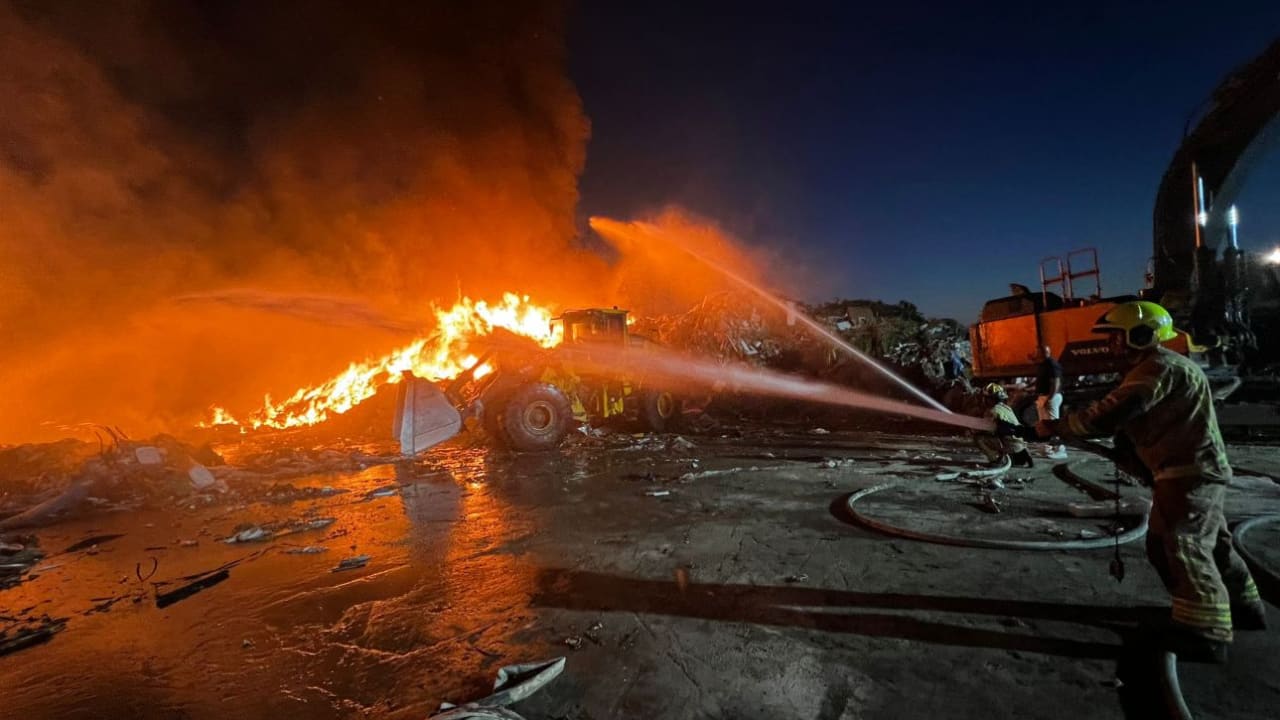
- United Arab Emirates: Debris from intercepted projectiles in Abu Dhabi killed two civilians and injured three others.
- Kuwait: Frequent interceptions of drones and missiles have become routine, with air raid sirens now a regular occurrence.
The widening conflict has heightened fears of a full-scale regional war, especially as attacks spread across multiple countries.
Expanding Conflict Zones: Iraq, Lebanon, and Yemen
The conflict has also intensified in other parts of the Middle East:
- Lebanon: Israeli airstrikes in Beirut’s southern suburbs have increased tensions. The death toll from Israeli attacks has surpassed 1,100.
- Iraq: A US strike on the Habbaniyah base killed several Iraqi soldiers and injured many more.
- Yemen: Though less highlighted, the region remains on high alert amid ongoing instability.
Lebanon’s leadership has even warned of a potential annexation of territory, signaling deep चिंता over long-term consequences.
Pressure Mounts in the United States
Back in the US, the war is beginning to impact domestic sentiment. Rising fuel prices and prolonged military engagement are affecting public opinion.
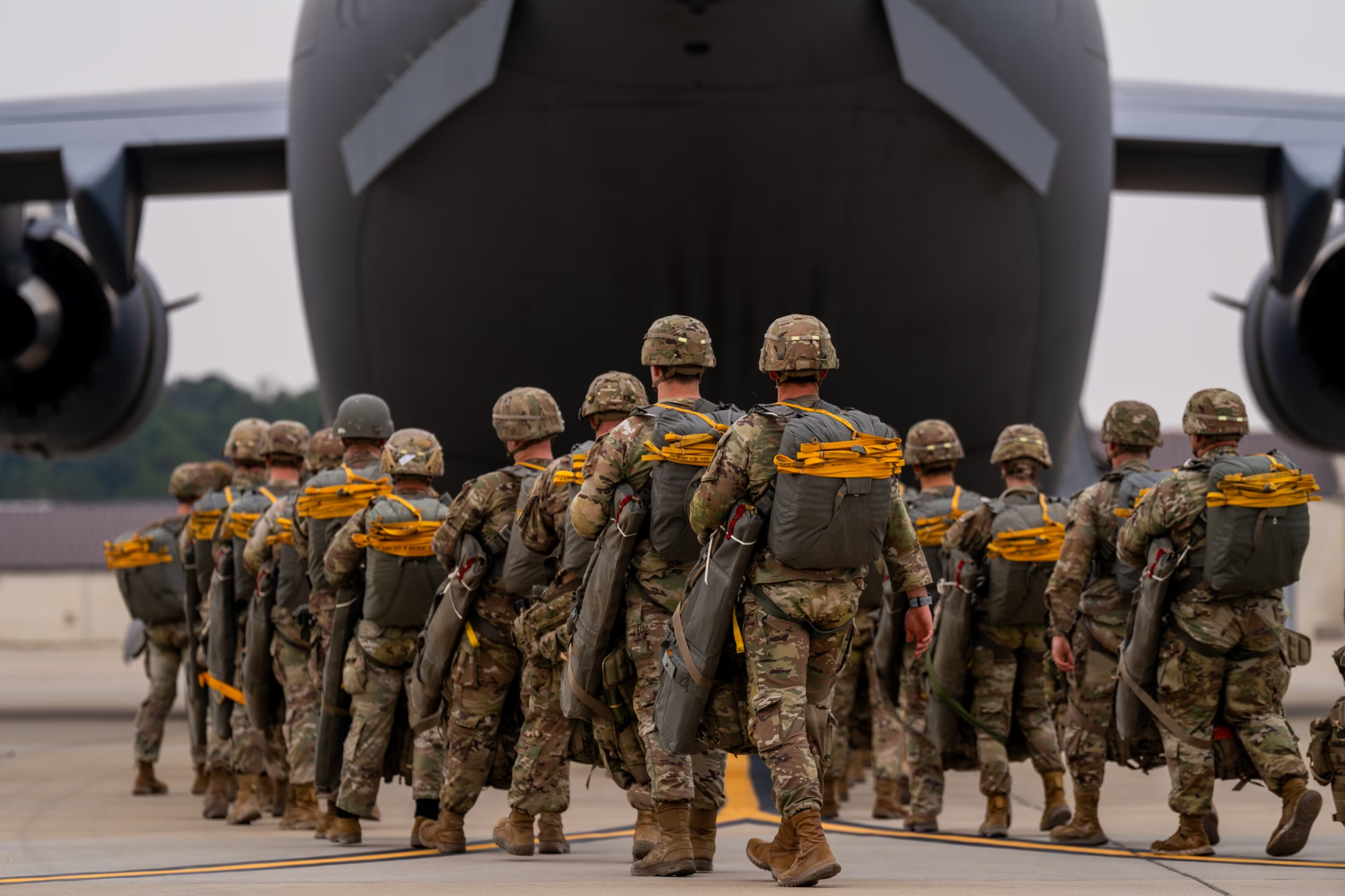
A recent poll shows that 64% of Americans disapprove of Trump’s handling of the conflict, while only 36% support it. Additionally, the war is straining military resources, with discussions underway about redirecting air defense systems originally intended for Ukraine.
Interestingly, many Americans are now turning away from traditional media, relying instead on social media platforms for updates and alternative viewpoints.
Israel Faces Internal and Military Challenges
Israel is also dealing with internal pressure and battlefield challenges. The military has indicated a need for more troops, particularly in southern Lebanon, where clashes with Hezbollah continue. Opposition leader Yair Lapid has criticized the government, accusing it of entering a multi-front war without a clear strategy. Meanwhile, Israeli forces have reported casualties, including the deaths of two soldiers in Lebanon.
Global Economic Impact and Oil Market Disruptions
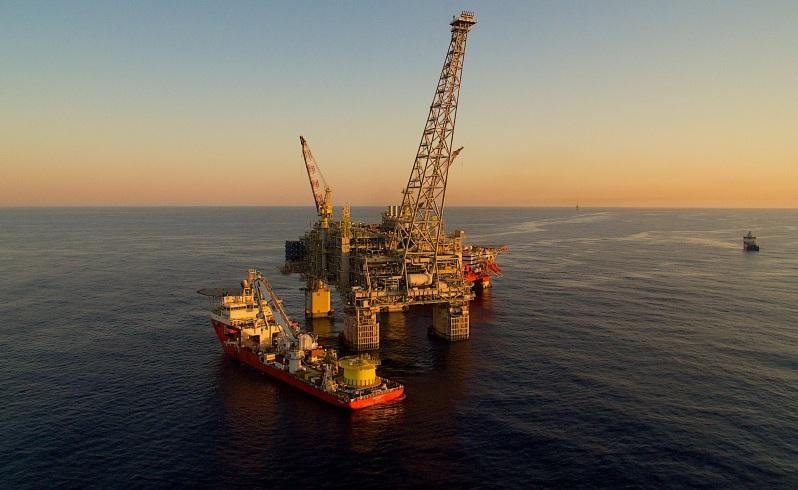
The war is significantly affecting global energy markets. The closure of the Strait of Hormuz has caused Iraq’s oil exports to drop by over 70%, disrupting global supply chains. The World Bank has stated it is ready to provide financial assistance to countries impacted by the conflict. Meanwhile, shifts in oil trade are already visible, with Russian crude shipments reaching new markets like the Philippines.
Iran’s Position: Firm and Uncompromising
Iran has responded with continued missile and drone attacks targeting Israel and Gulf nations. At the same time, Tehran has presented five key demands in negotiations, including war reparations and sovereignty over the Strait of Hormuz.
These demands are widely seen as unacceptable by the US, further complicating the chances of a quick resolution.
Conclusion: A War at a Crossroads
Day 28 of the US-Israel war on Iran paints a picture of a conflict at a critical juncture. While diplomatic channels remain open, ongoing military actions and conflicting narratives suggest that peace is still uncertain.
With rising casualties, regional instability, and global economic repercussions, the coming days—especially leading up to the April 6 deadline—could determine whether the conflict moves toward de-escalation or spirals into a broader war.
For the latest world updates and real-time news, click here.