
The rapidly escalating tensions between the United States and Iran have taken a dramatic turn, as Washington deploys tens of thousands of troops across West Asia. With the total number of US personnel in the region now exceeding 57,000, analysts warn that the situation may be inching closer to a full-scale ground conflict.
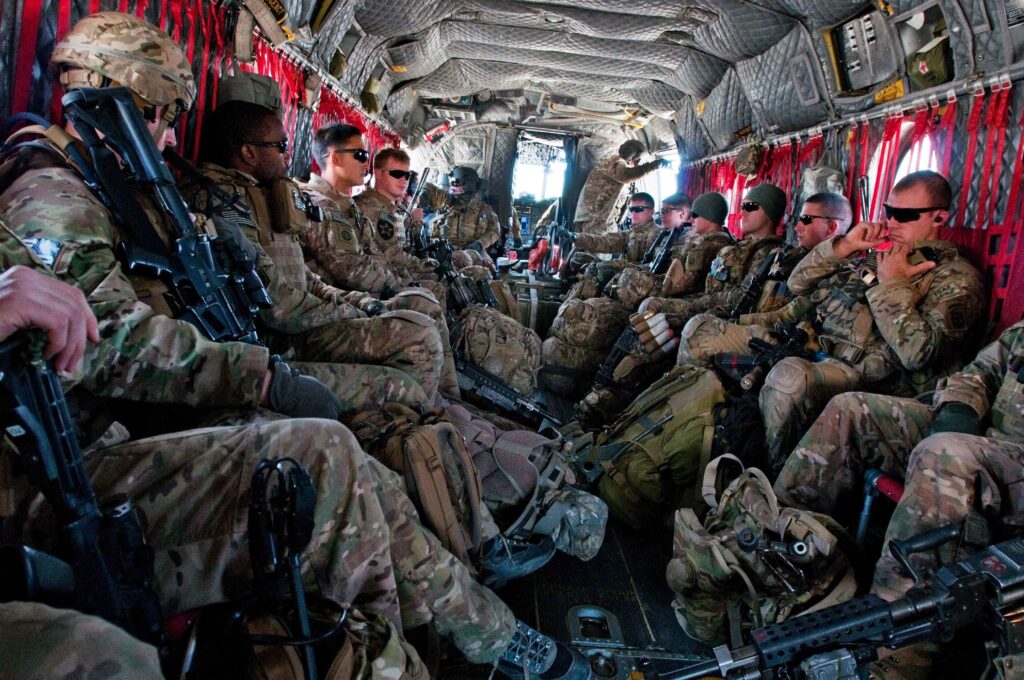
This surge marks the largest American military buildup in the region since the 2003 Iraq War—raising serious questions about whether diplomacy is giving way to direct confrontation.
Massive Troop Build-Up Raises Alarm
Over the past week, nearly 5,000 additional US troops—including around 2,500 Marines—have been deployed, significantly boosting the American presence. Reports suggest that another 10,000 troops could soon follow.
Traditionally, the US maintains around 40,000 military personnel in West Asia. However, the current surge signals a shift from deterrence to potential offensive readiness.
Critics argue this mirrors the early stages of past prolonged conflicts in Iraq and Afghanistan—wars that began with limited deployments but expanded into years-long engagements.
Strategic Focus: Why Kharg Island Matters
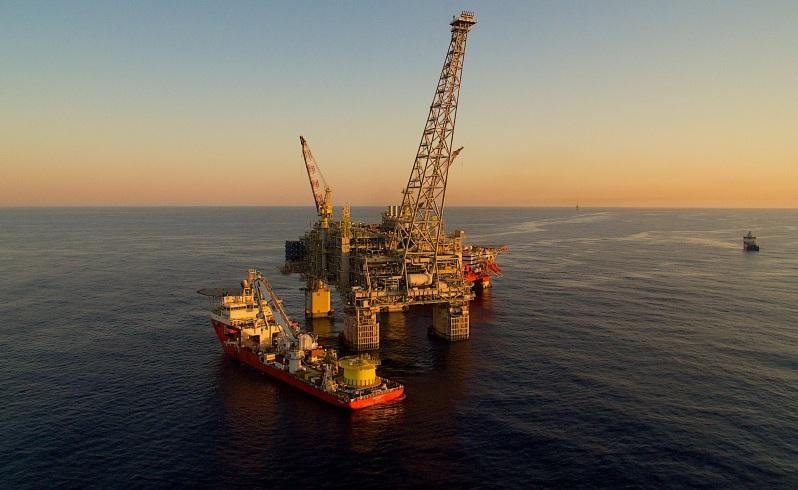
At the center of military planning lies Iran’s Kharg Island, a critical oil export hub responsible for a significant portion of the country’s crude shipments.
Military experts suggest three possible objectives behind the US buildup:
- Securing oil infrastructure at Kharg Island
- Gaining control over enriched uranium stockpiles reportedly missing after the Fordow facility strike
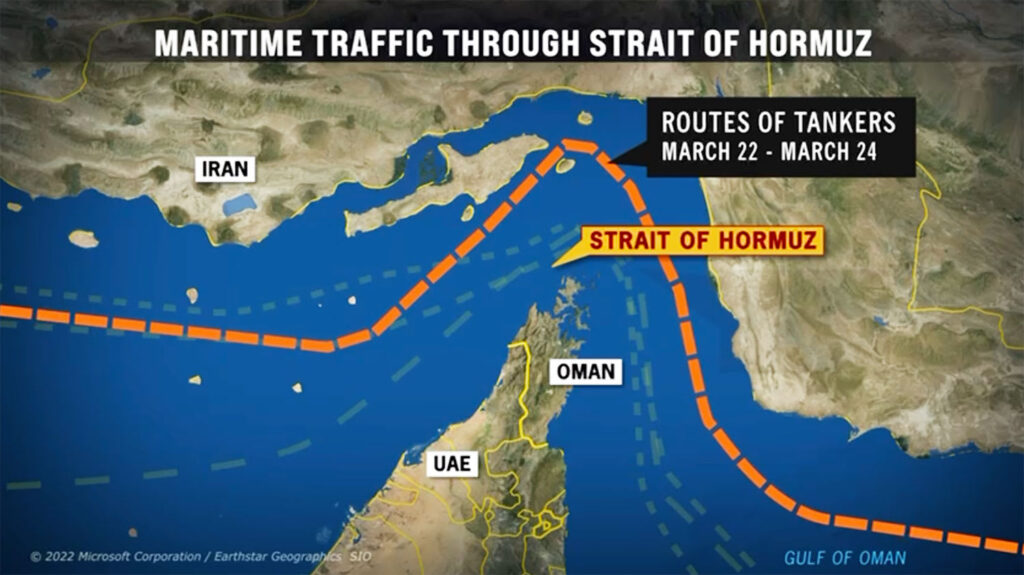
- Breaking Iran’s influence over the Strait of Hormuz, a vital global energy corridor handling nearly 20% of the world’s oil supply
Underlying all these possibilities is a more controversial goal—regime change, a strategy that would almost certainly require boots on the ground.
Marines, Warships, and Airborne Forces Mobilized
The Pentagon has mobilized elite combat units to reinforce its presence:
- The USS Tripoli, carrying over 3,500 Marines and sailors from the 31st Marine Expeditionary Unit, has arrived in the region.
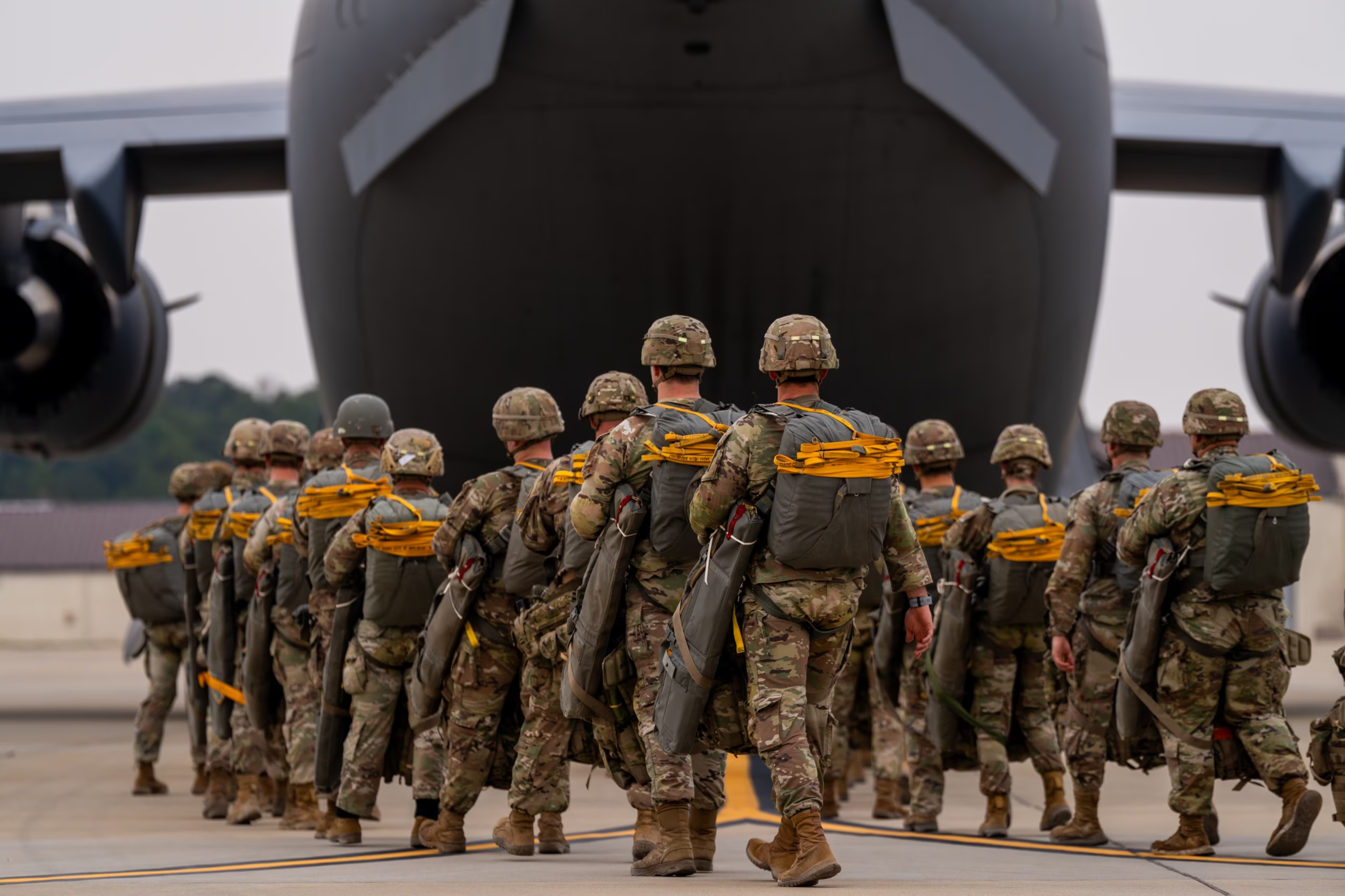
- The 82nd Airborne Division, known as America’s rapid response force, has deployed thousands of paratroopers.
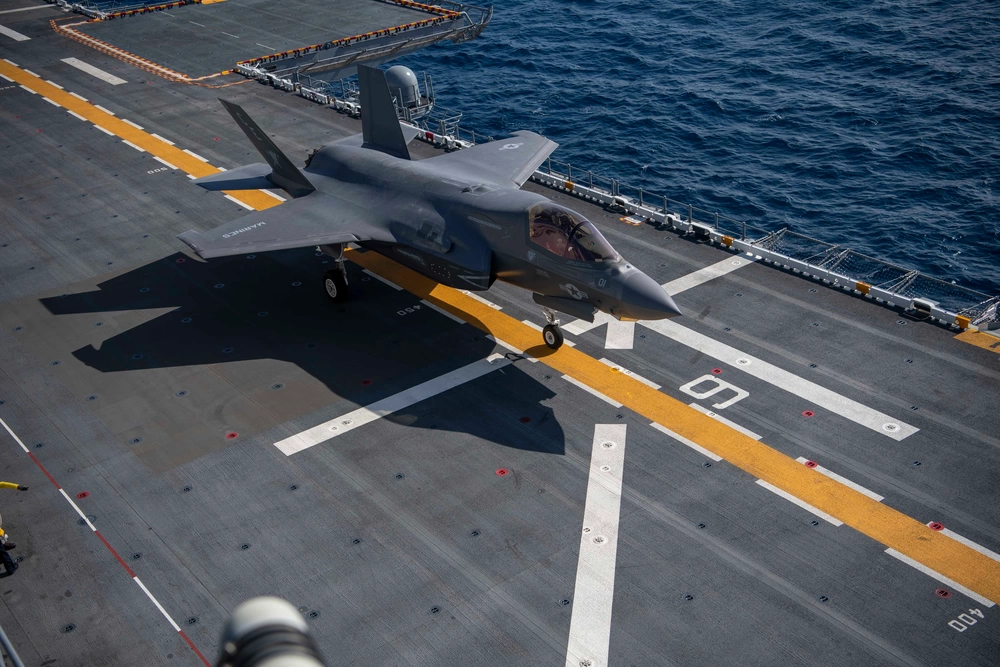
- The USS Boxer, equipped with F-35B stealth fighters, is en route.
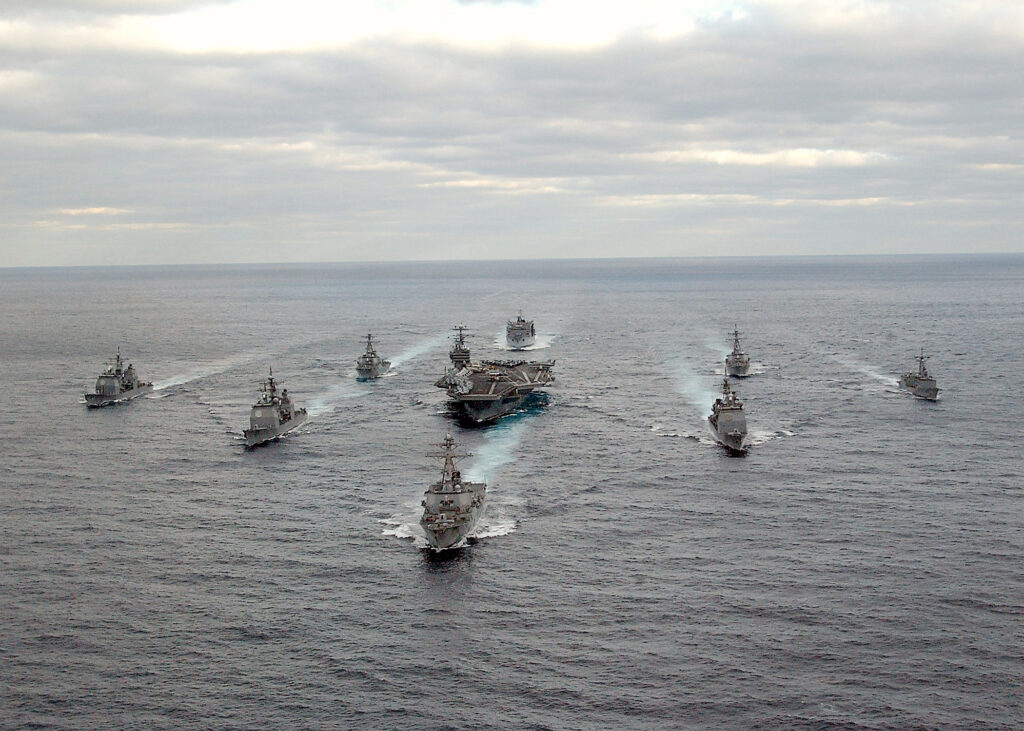
- A third aircraft carrier, the USS George H.W. Bush strike group, is being dispatched to maintain naval superiority.
These forces are supported by existing infrastructure, including:
- Al-Udeid Air Base in Qatar, a key hub with around 11,000 personnel
- Naval Support Activity Bahrain, home to the US Fifth Fleet
- Camp Arifjan in Kuwait, hosting roughly 14,000 troops
Echoes of Past “Forever Wars”
The scale and speed of this deployment evoke memories of earlier US interventions. The war in Afghanistan, for example, began with just a few thousand troops before peaking at over 100,000.
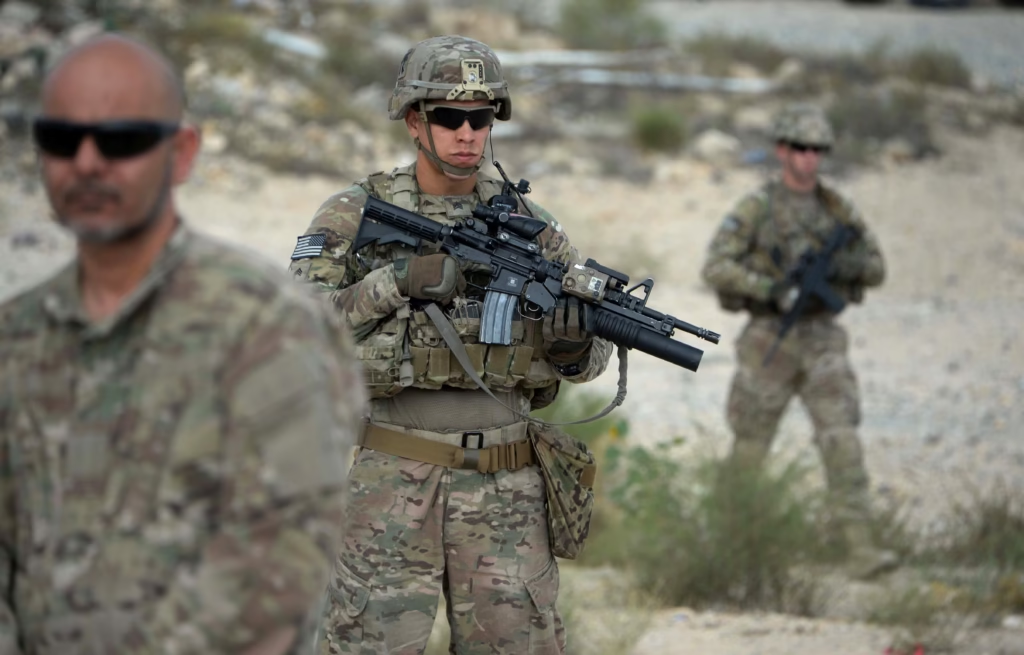
Experts caution that modern warfare—especially in a region saturated with drones and advanced missile systems—poses new risks. Iran has also threatened to mine the Persian Gulf, potentially disrupting naval operations and global trade routes.
Political divisions are also emerging within the United States. While some leaders argue that military pressure is necessary to counter Iran, others warn that escalation could lead to another costly and prolonged conflict.
Uncertain Path Ahead
As tensions rise, the possibility of a ground invasion remains uncertain but increasingly plausible. The US military’s growing footprint suggests preparation for multiple scenarios—from limited strikes to full-scale operations.
Meanwhile, diplomatic efforts appear stalled, and Iran has warned of severe retaliation if its territory is directly targeted.
The coming weeks could prove decisive—not just for US-Iran relations, but for global stability, energy markets, and the broader geopolitical landscape.
For the latest world updates and real-time news, click here.