
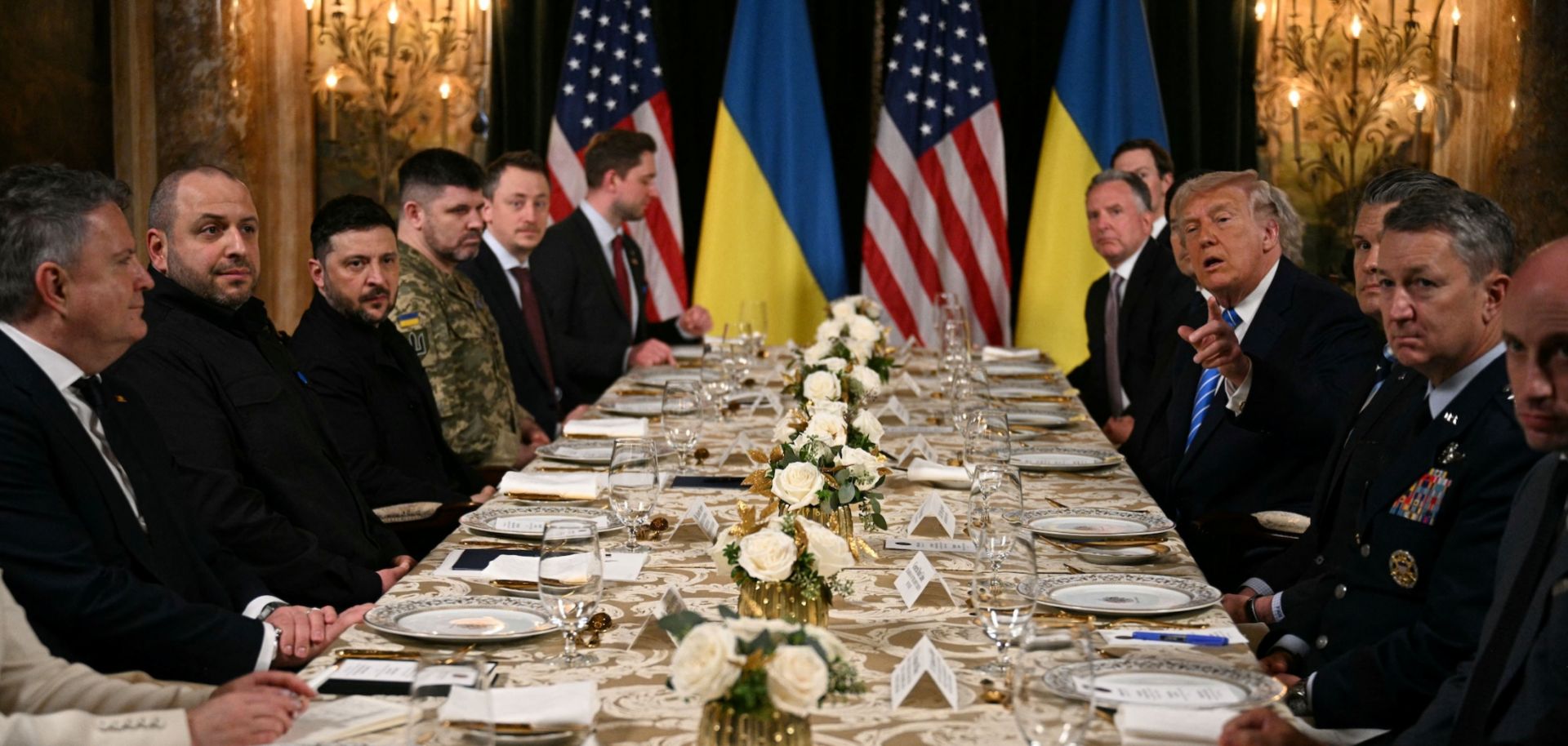
The draft proposal incorporates Ukraine’s prEfforts to end the prolonged conflict between Ukraine and Russia have entered a crucial phase, as the United States and Ukraine move closer to a potential peace framework. preferences by integrating political and commercial interests to safeguard security and boost economic growth.
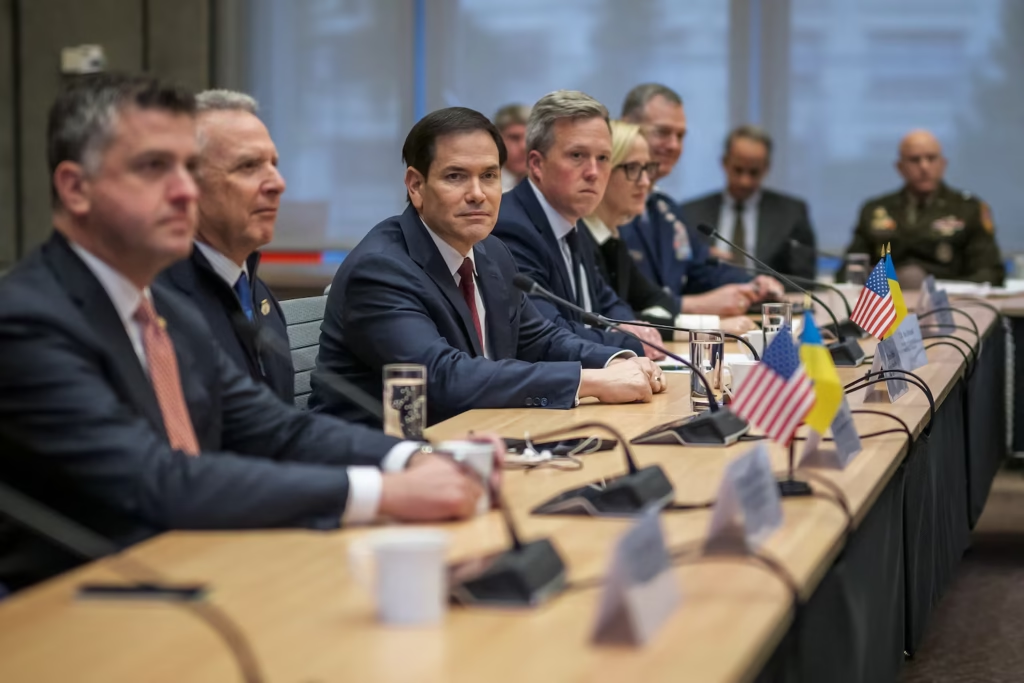
After intensive discussions in Florida, a 20-point peace proposal has been shared with Russian negotiators, marking a significant diplomatic step. However, despite progress, major disagreements remain—particularly over eastern territories and the future of a critical nuclear facility.
Ukrainian President Volodymyr Zelenskyy confirmed that while several aspects of the agreement are nearly finalized, consensus has not yet been reached on issues involving the Donbas region and the Zaporizhzhia nuclear power plant.
Territorial Disputes Continue to Challenge Peace Efforts
At the center of the negotiations lies the long-contested Donbas region, which includes parts of Donetsk and Luhansk. Currently, Russia controls most of Luhansk and a significant portion of Donetsk, while Ukraine retains control over the rest.
Russia has reportedly maintained a hardline stance, demanding that Ukraine withdraw completely from the remaining areas it controls in Donetsk. Kyiv has firmly rejected this proposal, calling it unacceptable.
To bridge the gap, the United States has introduced a compromise: transforming contested territories into free economic zones. This approach aims to reduce tensions while encouraging economic cooperation. However, Ukraine insists that any such arrangement must be approved through a national referendum, ensuring that citizens have the final say.
President Zelenskyy emphasized that democratic choice remains central to Ukraine’s position. He suggested that a referendum process would take approximately 60 days and would require a complete ceasefire to be conducted fairly.
Proposal Includes Demilitarisation and International Oversight
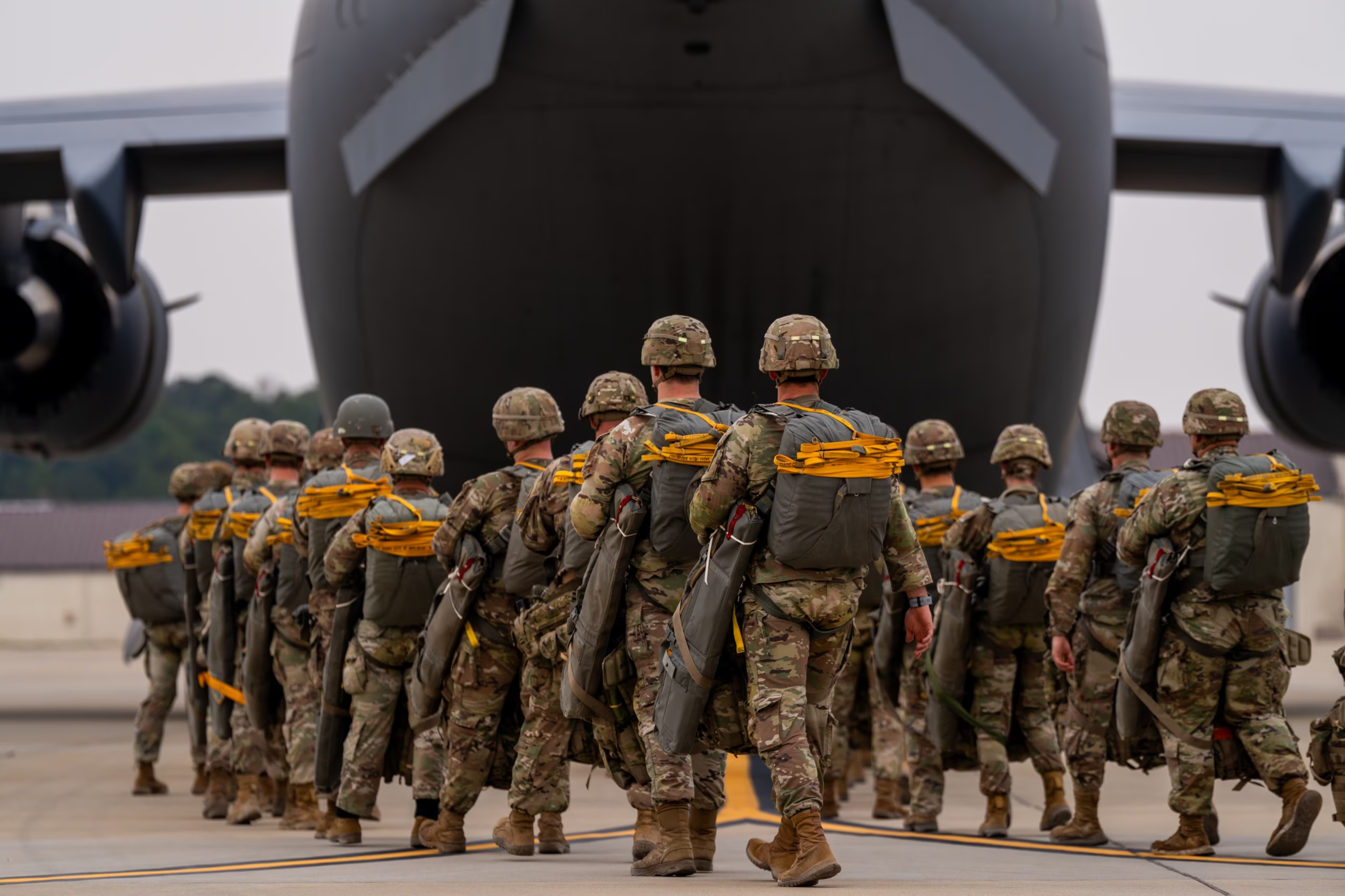
Another key component of the peace proposal involves the demilitarization of disputed regions. Ukraine has called for the deployment of international forces to monitor the ceasefire and prevent further escalation.
The plan suggests freezing the current frontline across multiple regions, including Kharkiv, Sumy, Mykolaiv, and Dnipropetrovsk. International peacekeeping forces would then oversee compliance, ensuring that both sides adhere to the agreement. Zelenskyy expressed deep skepticism toward Russia’s commitment, citing past violations of agreements. He stressed the importance of international monitoring to prevent covert military actions.
“There is no trust,” he said, highlighting the need for strict enforcement mechanisms to maintain stability.
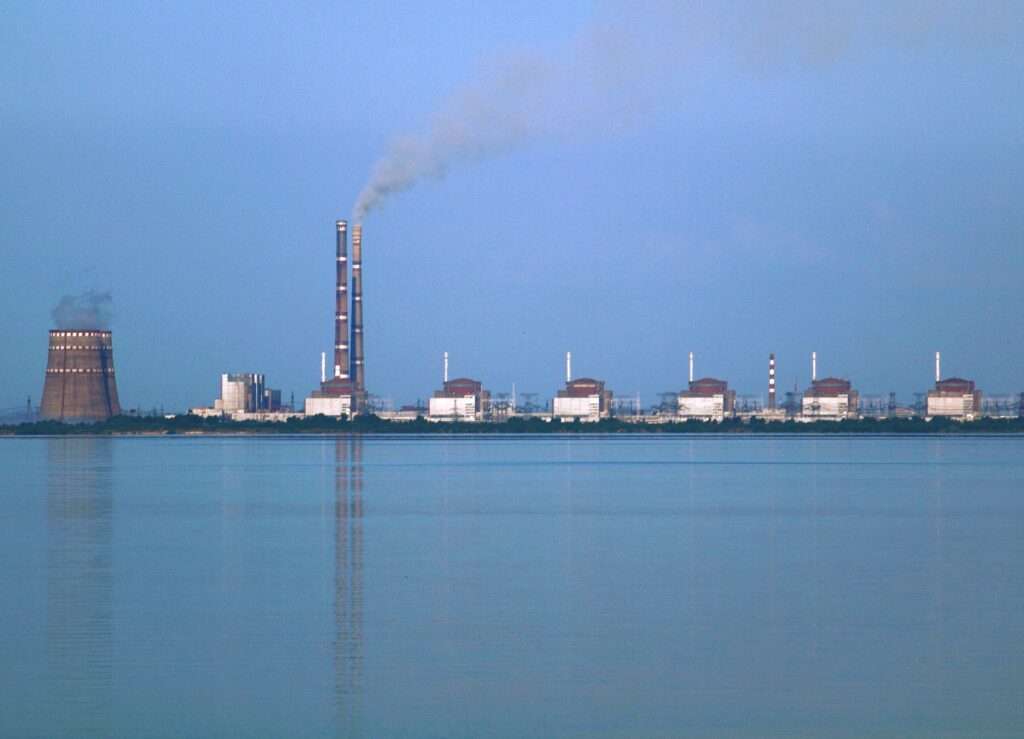
Zaporizhzhia Nuclear Plant Emerges as Major Sticking Point
Another major hurdle in the negotiations is the future of the Zaporizhzhia Nuclear Power Plant, currently under Russian control. The facility is not only strategically important but also critical for regional energy security.
The United States has proposed a tripartite management model, where Ukraine, Russia, and the U.S. would each hold equal stakes (33%). Under this arrangement, the U.S. would act as the primary operator. However, Ukraine has raised concerns about this structure. Zelenskyy described the proposal as impractical, questioning how joint operations with Russia could function amid ongoing hostilities. Instead, Ukraine has proposed a joint venture with the United States, allowing Washington to manage its share independently, including decisions related to Russia’s involvement.
Rebuilding and restarting the plant would require significant investment, including restoring damaged infrastructure such as the nearby dam. Zelenskyy noted that discussions around the facility alone took nearly 15 hours, underlining its complexity.
A Delicate Balance Between Security and Economic Growth
The broader peace proposal attempts to combine political stability with economic recovery. By introducing free economic zones and encouraging international cooperation, the plan seeks to create conditions for long-term peace while revitalizing affected regions.
However, the success of this approach depends heavily on mutual trust and compromise—two elements that remain fragile. Zelenskyy acknowledged that the most difficult decisions, particularly regarding territorial sovereignty, may ultimately need to be resolved at the leadership level between nations.
What Happens Next?
Russia’s response to the proposal is expected soon, and it will likely determine the direction of future negotiations. While progress has been made, the path to peace remains uncertain. For now, the world watches closely as diplomatic efforts continue, hoping that this latest initiative can bring an end to a conflict that has lasted nearly four years and reshaped global geopolitics.
For the latest world updates and real-time news, click here.