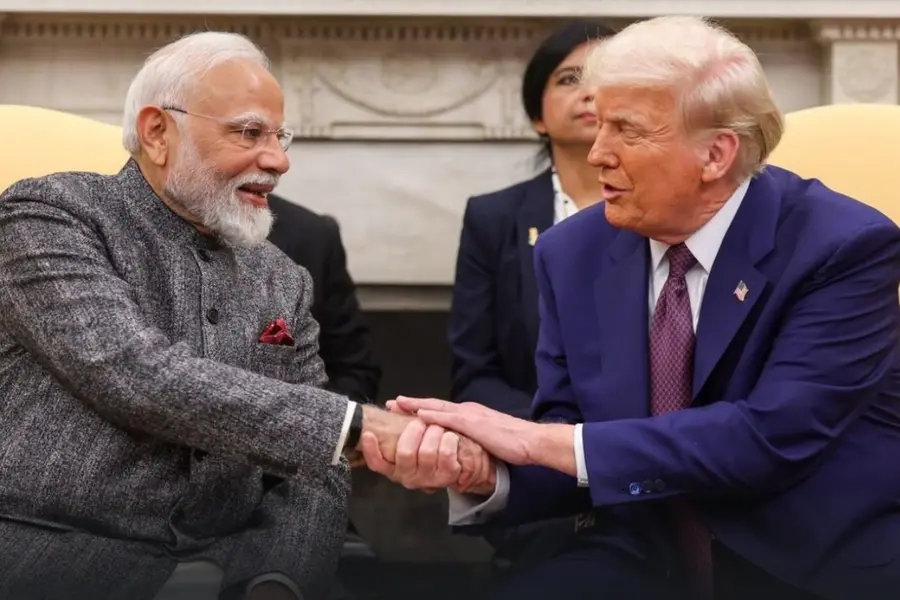

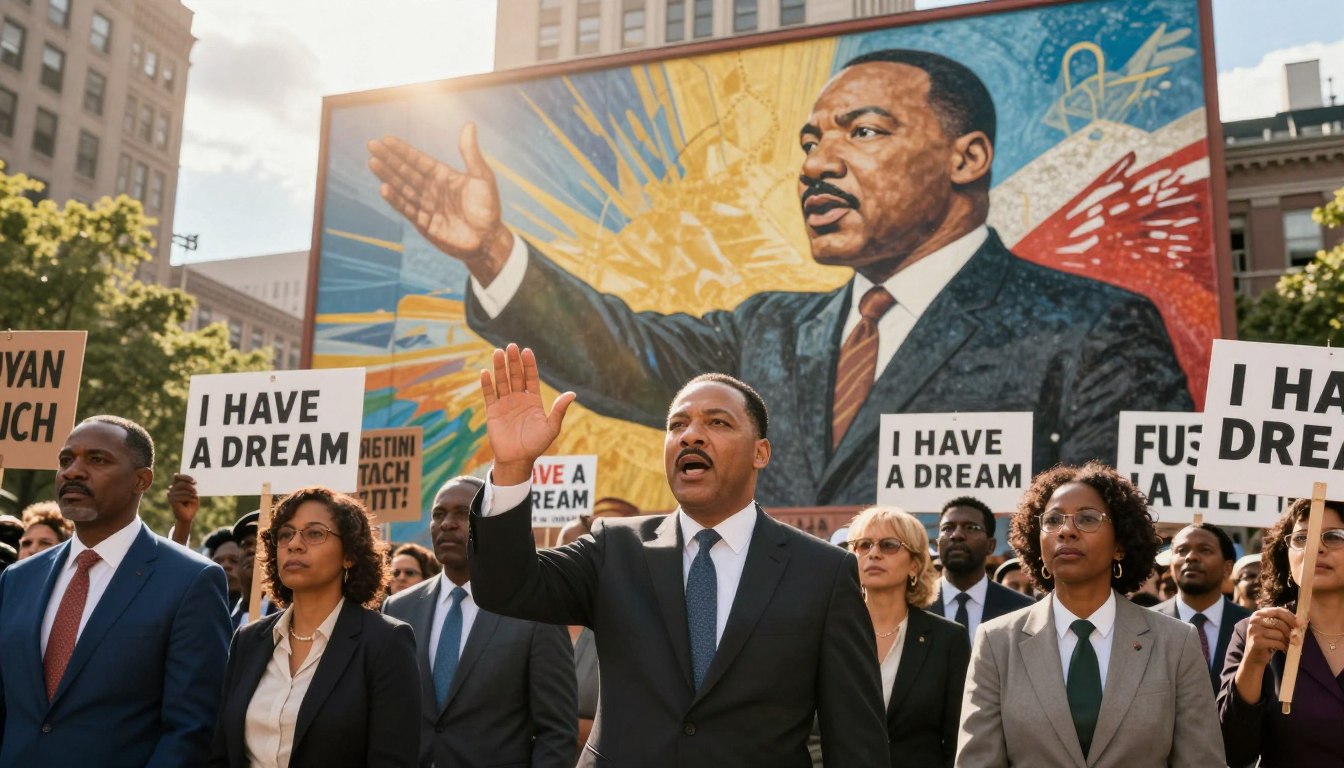
On the third Monday in January, the United States honors the life and achievements of a prominent civil rights leader. This day is a tribute to Dr. King’s tireless efforts in advocating for equality and justice.
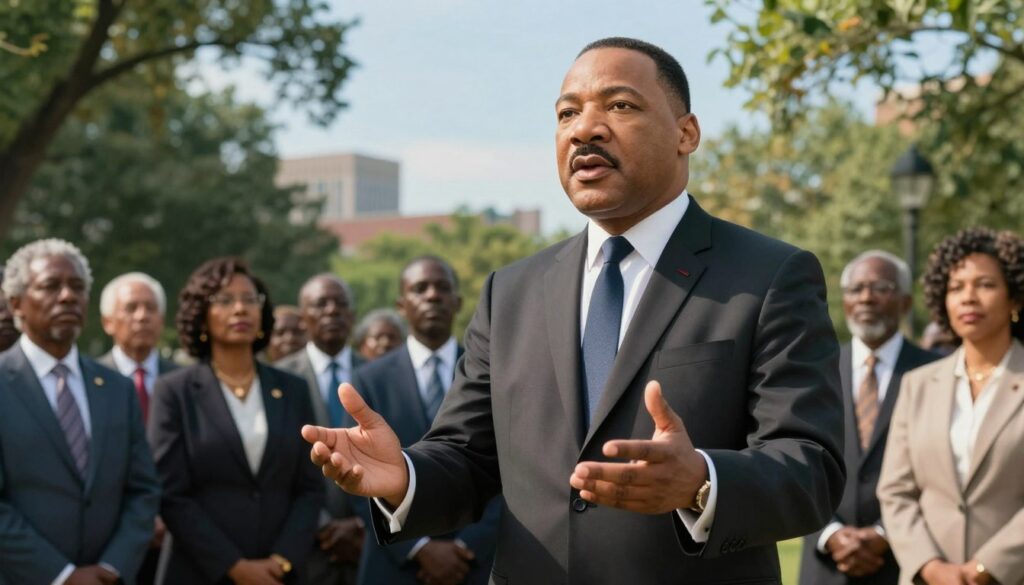
Dr. King was a key figure in the American civil rights movement, known for his nonviolent methods of protest. His contributions to American society are still celebrated today, making the third Monday in January a significant day of reflection.
Key Takeaways
- The third Monday in January is a day to honor Dr. King’s life and achievements.
- Dr. King was a prominent leader in the American civil rights movement.
- His advocacy of nonviolent civil disobedience remains influential.
- This day is an opportunity to reflect on Dr. King’s contributions to American society.
- The ongoing impact of Dr. King’s work is still felt in the struggle for equality and justice.
The Significance of Martin Luther King Jr. Day
The significance of Martin Luther King Jr. Day lies in its role as a national day of service, encouraging Americans to volunteer and serve their communities. This day is not just a holiday but a call to action, reflecting Dr. King’s beliefs in the importance of service to others.
The “Day On, Not Day Off” initiative is a key component of Martin Luther King Jr. Day, promoting volunteer work and community service across the nation. Americans are encouraged to participate in various service projects, from cleaning parks to serving at soup kitchens, embodying Dr. King’s spirit of service.
This initiative underscores the importance of community service and volunteerism, values that Dr. King championed throughout his life. By engaging in service, individuals honor Dr. King’s legacy and contribute to building stronger, more compassionate communities.
Dr. Martin Luther King Jr. is best known for his role in advancing civil rights using nonviolent civil disobedience. His vision for a more equitable society continues to inspire Americans today.
Dr. King’s dream of a society where people are judged not by the color of their skin but by the content of their character remains a powerful vision. This vision continues to guide efforts towards achieving racial equality and social justice.
Dr. King’s Early Life and Education
Dr. Martin Luther King Jr. was born on January 15, 1929, in Atlanta, Georgia, to a family deeply rooted in the African American Baptist tradition. This significant event marked the beginning of a life dedicated to civil rights and social justice.
- Birth and Family Background—King’s early life was shaped by his family and the segregated society of Atlanta. Growing up in a segregated environment had a profound impact on his worldview and future advocacy.
- Growing Up in Segregated Atlanta—Atlanta’s segregation influenced King’s perception of racial inequality, fostering his desire for change. The city’s social dynamics played a crucial role in shaping his early experiences.
- Educational Journey—King’s educational pursuits took him to Morehouse College and later to Boston University, where he deepened his understanding of theology and philosophy. These institutions played a pivotal role in his intellectual and spiritual development.
- Morehouse College and Boston University—At Morehouse, King was exposed to various philosophical and theological ideas that influenced his approach to civil rights. Boston University further refined his theological understanding, preparing him for his role as a civil rights leader.
- Spiritual Formation—The Black Church tradition significantly influenced King’s spiritual formation, shaping his approach to nonviolent resistance. This spiritual foundation was crucial in his leadership within the civil rights movement.
- Influence of the Black Church Tradition The Black Church played a vital role in King’s life, providing a moral and spiritual framework for his activism.
The Civil Rights Movement and Dr. King’s Leadership
Dr. King’s leadership in the Civil Rights Movement was characterized by his adherence to nonviolent civil disobedience, inspired by Gandhi and Thoreau. This approach not only defined the movement’s strategy but also garnered widespread support and sympathy.
Montgomery Bus Boycott
The Montgomery Bus Boycott was a pivotal moment in Dr. King’s rise to prominence within the Civil Rights Movement. Sparked by Rosa Parks’ courageous act of defiance against racial segregation on public buses, the boycott demonstrated the power of collective action and nonviolent resistance.
Rosa Parks and the Spark of a Movement
Rosa Parks’ refusal to give up her seat on a Montgomery bus was not just a spontaneous act; it was a symbol of resistance against the unjust laws that enforced racial segregation. This act ignited a wave of protests and boycotts that spread across the South.
Southern Christian Leadership Conference
As a key figure in the Southern Christian Leadership Conference (SCLC), Dr. King played a crucial role in organizing and mobilizing communities to fight for their civil rights. The SCLC became a major force in the Civil Rights Movement, advocating for nonviolent civil disobedience.
Organizing for Collective Action
Through the SCLC, Dr. King and other leaders coordinated protests, marches, and boycotts, leveraging the power of collective action to challenge unjust laws and practices. This organizing effort was instrumental in achieving significant civil rights victories.
Nonviolent Civil Disobedience Philosophy
Dr. King’s commitment to nonviolent civil disobedience was deeply influenced by the philosophies of Mahatma Gandhi and Henry David Thoreau. This approach not only shaped the Civil Rights Movement’s tactics but also contributed to its moral authority.
Influence of Gandhi and Thoreau
Gandhi’s concept of nonviolent resistance and Thoreau’s ideas on civil disobedience inspired Dr. King to adopt a similar approach in the United States. This philosophy guided the movement’s actions, from the Montgomery Bus Boycott to the March on Washington.
The impact of Dr. King’s leadership and the Civil Rights Movement’s nonviolent civil disobedience philosophy can be seen in the significant legislative and social changes that followed, including the passage of landmark civil rights legislation.
Landmark Moments in Dr. King’s Activism
Dr. Martin Luther King Jr.’s activism was marked by several pivotal pivotal moments that shaped the civil rights movement. His leadership and vision continue to inspire generations, and certain events stand out as particularly significant in his journey.
Letter from Birmingham Jail
In 1963, Dr. King wrote his famous Letter from Birmingham Jail, responding to critics who deemed his civil rights activism as “unwise and untimely.” This letter not only articulated the moral imperative for direct action but also highlighted the urgency of addressing racial inequality.
Responding to Critics of Direct Action
Dr. King’s letter was a powerful rebuke to his critics, arguing that direct action was necessary to bring attention to the plight of African Americans. He famously declared, “For years now, I have heard the word ‘Wait!’ It rings in the ear of every Negro with piercing familiarity. This ‘Wait’ has almost always meant ‘Never.'” This response underscored his commitment to nonviolent civil disobedience.
March on Washington and “I Have a Dream”
The March on Washington for Jobs and Freedom, held on August 28, 1963, was a defining moment in the civil rights movement. It was here that Dr. King delivered his iconic “I Have a Dream” speech, calling for an end to racism and equality for all Americans.
The Speech That Defined a Generation
Dr. King’s “I Have a Dream” speech is remembered as one of the most powerful orations in American history. He envisioned a future where people would be judged not by the color of their skin but by the content of their character. This speech galvanized the movement and continues to inspire civil rights activism today.
Selma to Montgomery Marches
The Selma to Montgomery Marches, which took place in 1965, were a series of protests aimed at securing voting rights for African Americans in the South. Dr. King played a crucial role in these marches, which faced violent resistance but ultimately led to significant legislative changes.
The Fight for Voting Rights
The marches culminated in the passage of the Voting Rights Act of 1965, a landmark legislation that prohibited racial discrimination in voting. Dr. King’s leadership during this period was instrumental in bringing national attention to the issue and pushing for policy change.
MARTIN LUTHER KING JR DAY: History of the Holiday
The creation of Martin Luther King Jr. Day as a federal holiday marked a new era in honoring the civil rights leader. This significant milestone was the result of a long and dedicated campaign.
The Campaign for a Federal Holiday
The campaign for Martin Luther King Jr. Day was led by Coretta Scott King and other civil rights advocates. They worked tirelessly to ensure that Dr. King’s legacy would be remembered and celebrated across the nation.
Coretta Scott King’s Advocacy
Coretta Scott King played a pivotal role in the campaign, using her platform to raise awareness and garner support for the holiday. Her advocacy was instrumental in keeping Dr. King’s dream alive.
Legislative Journey
The legislative journey was not without its challenges. Despite the obstacles, the bill eventually made its way to President Reagan’s desk.
President Reagan’s Signing in 1983
In 1983, President Reagan signed the bill into law, officially making Martin Luther King Jr. Day a federal holiday. This moment was a significant victory for the civil rights movement.
National Recognition
The holiday was first observed in 1986, but it took time for all 50 states to officially recognize the day.
The Path to All 50 States Observing the Holiday
As quoted by Dr. King, “
Darkness cannot drive out darkness; only light can do that. Hate cannot drive out hate; only love can do that.
” This message continues to inspire Americans to this day. The path to universal recognition was gradual, with some states taking longer than others to adopt the holiday.
Today, Martin Luther King Jr. Day is a moment for the nation to come together, reflecting on Dr. King’s legacy and the progress made towards achieving his dream.
Dr. King’s Assassination and Its Aftermath
On April 4, 1968, the nation lost a civil rights icon when Dr. Martin Luther King Jr. was assassinated in Memphis. Dr. King had traveled to Memphis to support the Memphis Sanitation Strike, a labor strike involving African American sanitation workers protesting unfair labor practices and dangerous working conditions.
The Memphis Sanitation Strike
The strike began in February 1968 when African American sanitation workers in Memphis demanded better wages, improved working conditions, and union recognition. Dr. King’s support for the strike highlighted the ongoing struggles faced by African Americans in the South.
Dr. King’s Final Cause
Dr. King’s involvement in the Memphis Sanitation Strike was seen as a crucial moment in his advocacy for economic justice and civil rights. His presence in Memphis underscored the significance of the strike and brought national attention to the workers’ plight.
April 4, 1968: The Assassination
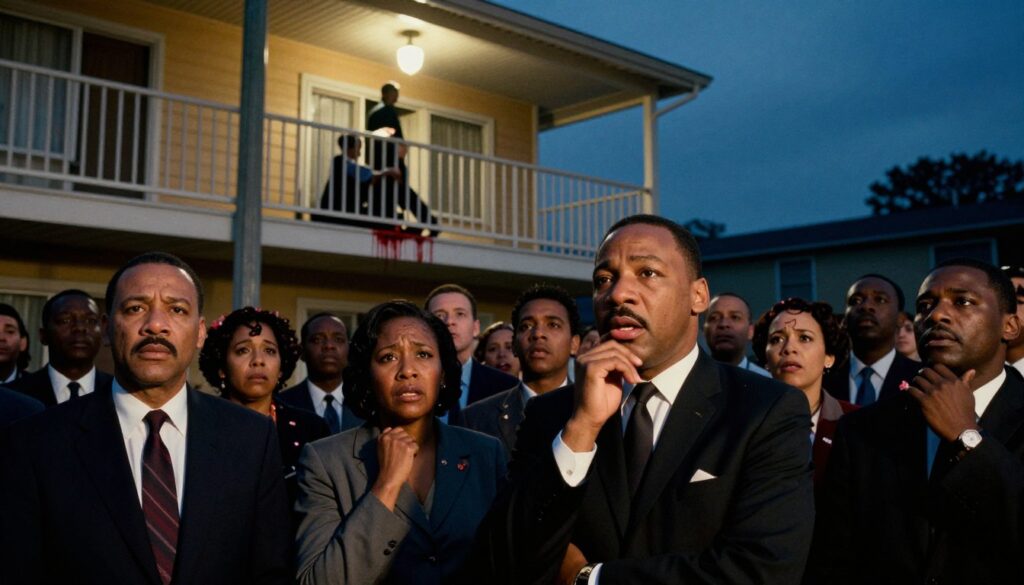
Dr. King was shot on the balcony of the Lorraine Motel in Memphis. The news of his assassination sent shockwaves across the United States, leading to widespread civil unrest and mourning.
National Mourning and Civil Unrest
The aftermath of Dr. King’s assassination saw riots and protests in over 100 cities across America. The event marked a painful turning point in the civil rights movement, with many questioning the future of nonviolent protest.
The Continuing Investigation
The investigation into Dr. King’s assassination has continued over the years, with various theories and controversies emerging. The official investigation concluded that James Earl Ray was responsible for the assassination.
Questions and Controversies
Despite the official findings, numerous conspiracy theories have surrounded Dr. King’s assassination, suggesting government or other involvement. These theories have contributed to ongoing public debate and scrutiny.
How America Celebrates Martin Luther King Jr. Day
As the nation honors Dr. King’s legacy, communities nationwide participate in service projects, educational events, and public celebrations on Martin Luther King Jr. Day.
Community Service Initiatives
Community service is a cornerstone of Martin Luther King Jr. Day celebrations. Organizations and individuals across the country engage in various volunteer projects, from cleaning local parks to serving at food banks.
Major Volunteer Projects Nationwide
Some of the major volunteer projects include:
- Renovating community centers
- Organizing food drives
- Participating in neighborhood clean-ups
These projects not only benefit local communities but also foster a sense of unity and purpose among participants.
Educational Programs and Events
Educational institutions play a vital role in commemorating Martin Luther King Jr. Day by incorporating Dr. King’s teachings into their curricula.
School Curricula and Special Programs
Schools often host special programs, including:
- Essay contests on Dr. King’s legacy
- Presentations on civil rights history
- Community service projects
These initiatives help students understand the significance of Dr. King’s work and its relevance to contemporary social issues.
Parades and Public Commemorations
Parades and public commemorations are also an integral part of Martin Luther King Jr. Day celebrations.
Notable Annual Celebrations
Cities and towns across America host parades, marches, and other public events to honor Dr. King’s memory.
MLK Monuments and Memorials
Monuments and memorials dedicated to Dr. King serve as focal points for reflection and remembrance.
The National Memorial in Washington, D.C.
The National Memorial in Washington, D.C., is a significant landmark that attracts visitors from around the world.
| City | Notable Celebration |
| Washington, D.C. | National Memorial Service |
| Atlanta, GA | Martin Luther King Jr. Day Parade |
| Los Angeles, CA | MLK Unity March |
Dr. King’s Legacy in Modern Civil Rights Movements
Dr. Martin Luther King Jr.’s legacy continues to inspire civil rights movements today. His message of equality, justice, and nonviolent resistance remains a powerful force in American society and beyond.
Continued Influence on Civil Rights Advocacy
Dr. King’s influence on civil rights advocacy is still evident today. His leadership and vision continue to inspire new generations of activists and community leaders.
From Civil Rights to Human Rights
Dr. King’s message has evolved to encompass not just civil rights but broader human rights issues. His advocacy for economic justice, healthcare, and education has had a lasting impact on social justice movements.
Impact on American Politics and Society
The impact of Dr. King’s message on American politics and society has been significant. His advocacy for nonviolent civil disobedience has influenced numerous social movements, from anti-war protests to environmental activism.
The Ongoing Struggle for Equality
Despite significant progress, the struggle for equality and justice continues. Dr. King’s legacy reminds us that the work towards a more just and equitable society is ongoing.
Global Influence of Dr. King’s Message
Dr. King’s philosophy of nonviolent resistance has inspired movements for peace and justice around the world. Leaders such as Nelson Mandela and Desmond Tutu have cited Dr. King as an influence.
Nonviolent Movements Worldwide
From the anti-apartheid movement in South Africa to the Arab Spring, Dr. King’s message has resonated globally. His legacy continues to inspire nonviolent movements, promoting peace and justice worldwide.
Conclusion: The Enduring Importance of Honoring Dr. King
Martin Luther King Jr. Day is more than a holiday; it’s a reminder of the ongoing quest for justice, equality, and peace that Dr. King embodied. As America continues to navigate its complex social and political landscape, Dr. King’s legacy serves as a guiding light, inspiring new generations to work towards a more just and equitable society.
By honoring Dr. King, we reaffirm our commitment to the principles of nonviolence, compassion, and service that he championed. This enduring importance of Dr. King’s message continues to resonate, inspiring positive change and promoting unity across the nation.
The conclusion of our journey through Dr. King’s life and legacy highlights the significance of his work and its continued relevance today. As we reflect on his achievements and the impact he had on American society, we are reminded of the importance of continuing his work towards a brighter future.