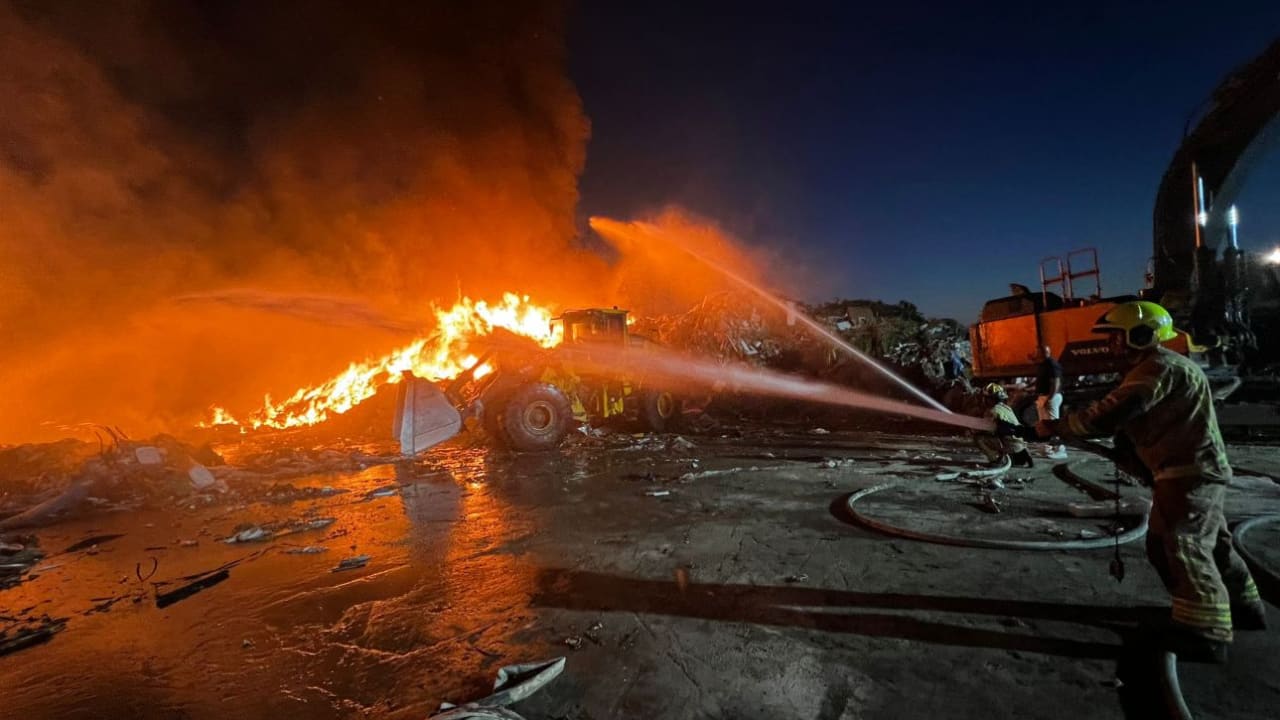

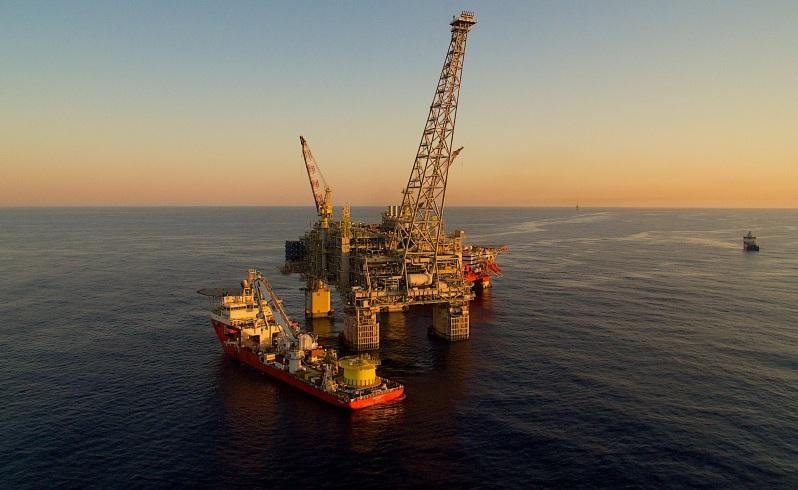
Australia’s energy sector is facing fresh disruption as Ex-Tropical Cyclone Narelle continues to impact major Australian LNG plants, adding pressure to an already strained global gas market.
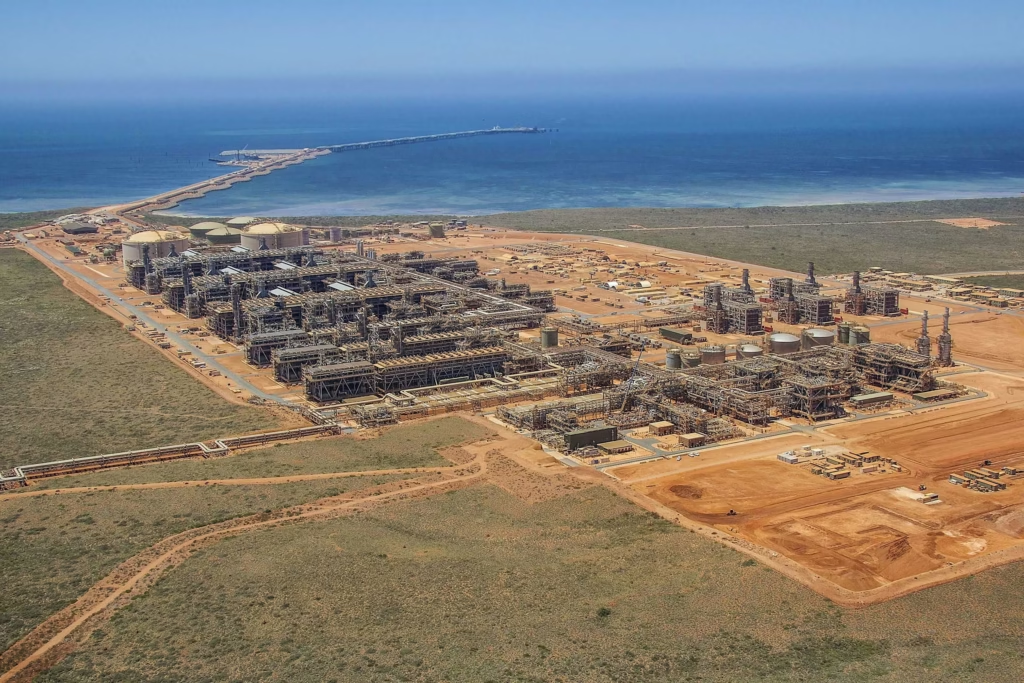
The storm, which initially made landfall as a powerful Category 4 system on March 20, has traveled across Queensland and the Northern Territory before weakening over Western Australia. Despite losing intensity, its lingering effects—strong winds, heavy rainfall, and dangerous sea conditions—have significantly affected key liquefied natural gas operations. Energy giants Chevron Corporation and Woodside Energy reported ongoing production interruptions at some of the country’s largest facilities.
Australian LNG Plants Disrupted by Cyclone Narelle
Chevron confirmed that operations at its flagship Gorgon and Wheatstone LNG plants were disrupted due to severe weather conditions linked to Cyclone Narelle.
The Gorgon LNG facility, the largest in Australia, produces approximately 15.6 million tonnes of LNG annually, while Wheatstone contributes around 8.9 million tonnes. Together, they form a critical backbone of Australia’s LNG export capacity. A company spokesperson noted that safety remains the top priority, stating that production will only resume once conditions stabilize and it is safe for workers to return. The temporary shutdown highlights how vulnerable even the most advanced energy infrastructure can be to extreme weather events.
Woodside’s Karratha Plant Also Impacted
Australian Prime Minister Anthony Albanese stated that the federal government is prepared to assist in recovery efforts as communities and industries begin assessing the damage. Although downgraded from a cyclone, Narelle continues to pose risks with heavy rainfall and strong winds as it moves south-southeast. Emergency services remain on alert, particularly in coastal and industrial regions.
Outlook: When Will Production Resume?
Energy companies have indicated that restoration efforts are underway, but timelines remain uncertain. Restarting LNG production involves extensive safety checks, workforce mobilization, and infrastructure assessments.
The Australian LNG plants disrupted by Cyclone Narelle are expected to gradually resume operations in the coming days or weeks, depending on weather conditions and damage assessments.
Cyclone Narelle’s disruption of major Australian LNG plants highlights the fragile balance of global energy supply. As climate events grow more intense and geopolitical tensions persist, the world’s reliance on stable LNG exports faces increasing challenges.
For now, markets and policymakers alike will be closely watching how quickly Australia can restore its production capacity—and how the global energy system adapts to yet another unexpected shock.
For the latest world updates and real-time news, click here.