
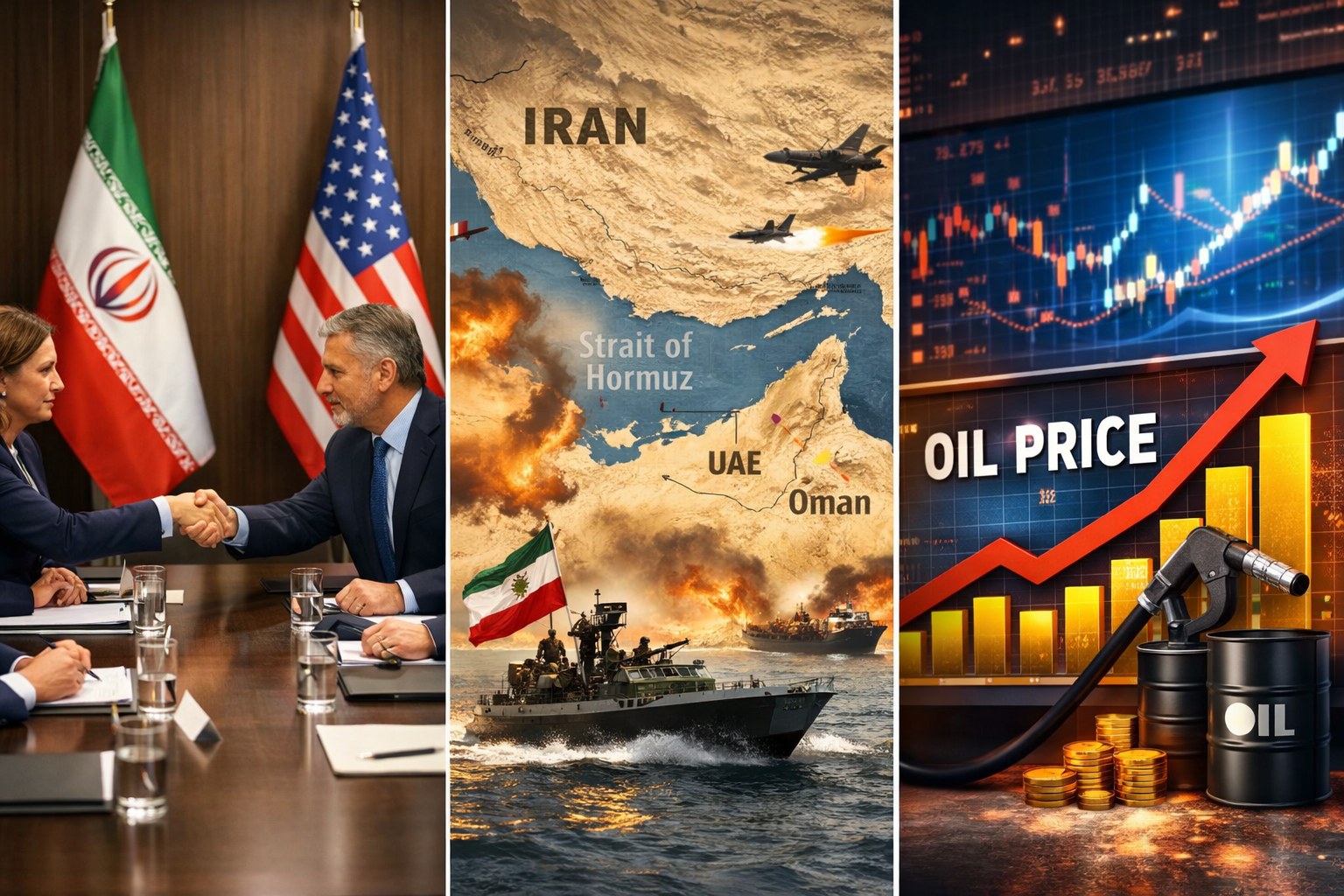
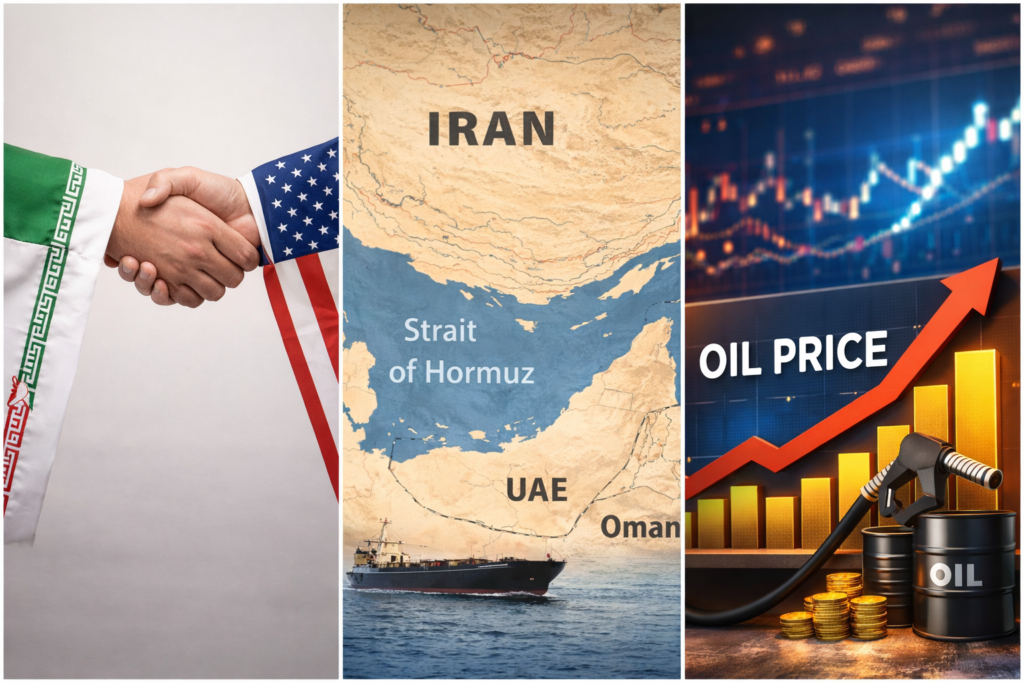
The ongoing Iran–US talks have once again become a focal point of global attention. With tensions rising and diplomacy hanging in the balance, the relationship between Tehran and Washington is entering another uncertain phase. While both sides continue to signal openness to dialogue, the reality behind the scenes suggests that progress remains slow and fragile.
Why Iran–US Talks Are Facing Roadblocks
The ongoing Iran–US talks have once again become a focal point of global attention. With tensions rising and diplomacy hanging in the balance, the relationship between Tehran and Washington is entering another uncertain phase. While both sides continue to signal openness to dialogue, the reality behind the scenes suggests that progress remains slow and fragile.
Why Iran–US Talks Are Facing Roadblocks
One of the main reasons the Iran–US talks are struggling is a sharp disagreement over recent proposals. The United States has pushed for a framework that includes limits on Iran’s military and nuclear activities. However, Iran has rejected the proposal, calling it unbalanced and lacking meaningful guarantees.
From Iran’s perspective, any progress in Iran–US talks must include relief from economic sanctions. Without that, officials believe negotiations would not benefit their country. This difference in priorities has created a major gap between the two sides.
Mixed Messages Around Iran–US Talks
Another layer of complexity comes from the mixed signals surrounding the Iran–US talks. U.S. officials have indicated that Iran may still be open to discussions, suggesting there is room for diplomacy. At the same time, Iranian leaders publicly deny that formal negotiations are underway.
This contradiction highlights how sensitive the Iran–US talks have become. Much of the communication is happening indirectly, often through mediators, rather than through direct engagement. As a result, it is difficult to determine how close—or far—the two sides really are from a breakthrough.
Regional Tensions Impact Iran–US Talks
The broader geopolitical situation is also affecting the Iran–US talks. Ongoing tensions in the Middle East, including military activity and strategic threats, are making diplomacy more challenging. When conflict escalates, trust becomes harder to build. This directly impacts the progress of Iran–US talks, as both nations become more cautious in their approach. Additionally, global markets are reacting to the uncertainty, with fluctuations in oil prices reflecting concerns about stability in the region.
The Trust Deficit in Iran–US Talks
Trust remains one of the biggest barriers in the Iran–US talks. Years of political disagreements and past conflicts have created deep skepticism on both sides.
Iran is wary of entering agreements that may not be honored in the long term, while the United States remains concerned about compliance and regional security. This lack of trust makes it difficult for Iran–US talks to move forward in a meaningful way.
Is There Still Hope for Iran–US Talks?
Despite the challenges, there are still reasons to believe that Iran–US talks could continue. Both countries have indicated that diplomacy is not completely off the table. Iran has suggested that negotiations are possible if its concerns are addressed fairly. Meanwhile, the United States continues to push for dialogue, even while maintaining pressure. This delicate balance keeps the possibility of Iran–US talks alive, even if progress is slow.
What to Expect Next
Looking ahead, the future of Iran–US talks will depend on several key factors. These include whether both sides are willing to compromise, the role of international mediators, and the overall stability of the region.
If tensions continue to rise, the chances of successful Iran–US talks may decrease. However, if diplomatic efforts gain momentum, there could still be an opportunity for progress.
Final Thoughts
The current state of Iran–US talks reflects a complex mix of conflict and cautious diplomacy. While there is still a pathway forward, it requires patience, compromise, and a willingness to rebuild trust.
For now, the world continues to watch closely as the next chapter of Iran–US talks unfolds.
For the latest world updates and real-time news, click here.